DTDC vs Speed Post: Which Is the Better Courier Partner for eCommerce?
Courier Partners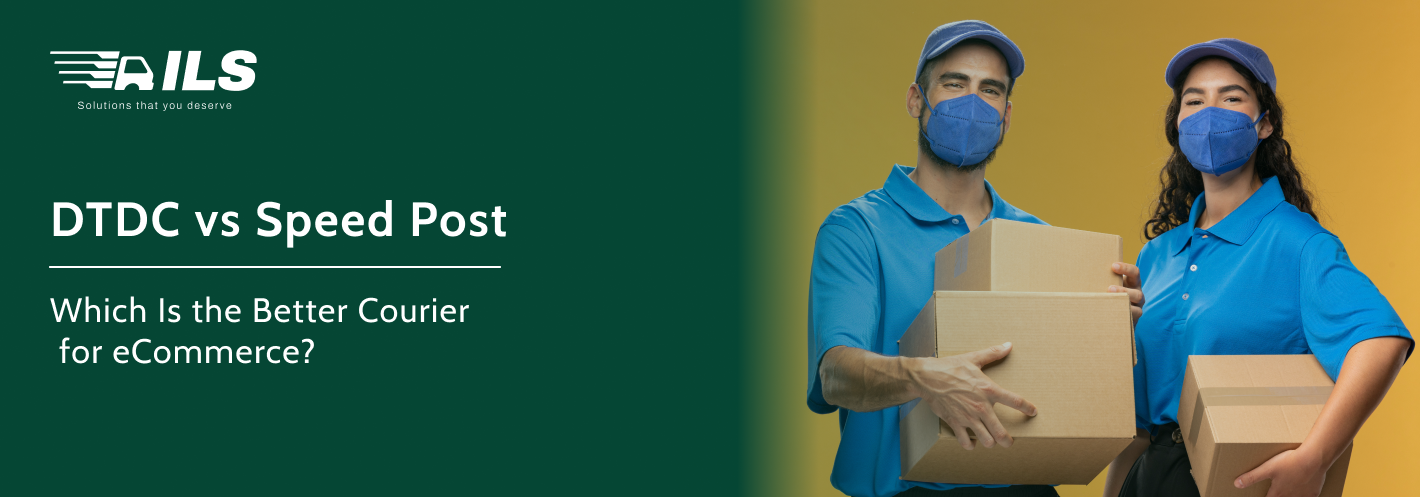
Logistics is one of the most critical yet underestimated pillars of eCommerce success in India. A store can have excellent products, competitive pricing, and strong marketing, but if deliveries are delayed, damaged, or poorly tracked, customers quickly lose trust.
Among Indian sellers, two courier names come up repeatedly, DTDC and Speed Post. Both are widely used, well-known, and accessible across the country. However, they are built for very different logistics needs.
This blog offers a complete, unbiased, and practical comparison of DTDC vs Speed Post for eCommerce, covering everything from delivery speed and pricing to COD handling, returns, scalability, and real-world seller use cases.
Also Read: https://ilsportal.io/blogs/difference-between-speed-post-and-registered-post
Why Courier Choice Directly Impacts eCommerce Growth
For eCommerce businesses, logistics is no longer just about moving parcels, it's about customer experience, brand perception, and repeat sales.
A courier partner affects:
- Delivery timelines shown on product pages
- Customer satisfaction and reviews
- COD success and cash flow
- Return handling and operational efficiency
- Overall brand trust
Search engines and marketplaces increasingly factor post-purchase experience into seller reputation. This means courier performance indirectly influences visibility, conversions, and long-term growth.
Differences Between the Two Courier Partners
Before comparing features, it's important to understand what these services were originally designed for.
What Is DTDC?
DTDC is a private logistics company that has evolved heavily toward commercial and eCommerce shipping. Its infrastructure, technology, and pricing models are aligned with business shipments, COD orders, and scalable logistics.
DTDC is commonly used by:
- Shopify and WooCommerce stores
- D2C brands
- Marketplace sellers
- High-volume daily shippers
What Is Speed Post?
Speed Post is operated by India Post and was originally designed for documents, government communication, and essential deliveries. While it does handle parcels, its systems are not purpose-built for modern eCommerce automation.
Speed Post is typically used by:
- Small sellers
- Occasional shippers
- Document-based deliveries
- Remote and rural shipments
Also Read: https://ilsportal.io/blogs/delhivery-vs-blue-dart-vs-dtdc-courier-comparison-india
DTDC vs Speed Post: High-Level Comparison Table
| Parameter | DTDC | Speed Post |
|---|---|---|
| Ownership | Private courier | Government (India Post) |
| eCommerce focus | Strong | Limited |
| Delivery speed | Faster | Moderate |
| COD support | Yes | Limited |
| Tracking | Advanced | Basic |
| Returns | Supported | Manual |
| Tech integrations | Yes | No |
| Best suited for | Growing eCommerce brands | Budget & rural deliveries |
Delivery Speed: A Core eCommerce Metric
Delivery speed plays a major role in conversion rates and customer satisfaction.
DTDC Delivery Performance
DTDC is optimized for business deliveries. In metro cities and Tier 1 locations, deliveries often happen within 1-2 working days. Even Tier 2 and Tier 3 cities typically see faster transit times compared to government-run services.
For eCommerce brands promising quick delivery or running flash sales, DTDC offers a clear advantage.
Speed Post Delivery Performance
Speed Post is reliable but not fast by modern eCommerce standards. Deliveries may take 3-7 days, sometimes longer during festivals or high-volume periods.
While Speed Post does eventually deliver almost everywhere, delivery speed is inconsistent for customer-facing commerce.
Verdict: DTDC is significantly better for speed-sensitive eCommerce orders.
Courier Charges: Cheap vs Cost-Effective
Price alone should never be the deciding factor, value matters more than cost.
DTDC Courier Charges
DTDC is not the cheapest courier, but it offers:
- Better delivery timelines
- COD handling
- Business pricing slabs
- Volume-based discounts
For stores shipping daily, DTDC often becomes more cost-efficient in the long run due to fewer failed deliveries and returns. Check the DTDC Courier Charges Guide
Speed Courier Charges
Speed Post is one of the most affordable options in India, especially for lightweight parcels. However, the savings often come at the cost of. Check the Speed Post Charges Guide
- Slower delivery
- Manual processes
- Lower customer satisfaction
Verdict:
- Low volume or budget shipping → Speed Post
- Scaling eCommerce → DTDC
Cash on Delivery (COD): A Deal-Breaker for Many Sellers
India remains a COD-heavy market.
DTDC COD Capabilities
DTDC supports COD widely and offers:
- Higher delivery success rates
- Faster remittance cycles
- Better reconciliation
This makes it suitable for D2C brands and new stores where COD still dominates.
Speed Post COD Limitations
Speed Post does offer COD in selected locations, but:
- Coverage is limited
- Settlement is slower
- Tracking COD payments is cumbersome
Verdict: DTDC is far superior for COD-based eCommerce.
Tracking Experience: Customer Trust Factor
Modern buyers expect real-time visibility.
DTDC Tracking
DTDC provides:
- Real-time shipment updates
- Detailed tracking milestones
- SMS and tracking links
This transparency reduces "Where is my order?" queries and builds customer trust.
Speed Post Tracking
Speed Post tracking works, but updates are:
- Less frequent
- Less detailed
- Often delayed
Verdict: DTDC offers a better post-purchase experience.
Returns & Reverse Logistics
Returns are unavoidable in eCommerce, especially in fashion, electronics, and lifestyle categories.
DTDC Returns Handling
DTDC supports:
- Reverse pickup
- Centralized tracking
- Faster resolution
This reduces operational headaches for sellers.
Speed Post Returns Handling
Returns through Speed Post are largely manual and slow, making it unsuitable for high-return categories.
Verdict: DTDC wins clearly.
Using DTDC & Speed Post Together with ILS Portal
Instead of choosing one courier forever, smart sellers use the ILS Portal (Indian Logistics Services Shopify App).
How ILS Portal Solves the Problem
- Access DTDC, Speed Post, and other courier partners integration from one dashboard
- Auto-select the best courier by pin code, price, or delivery speed
- Manage COD, returns, and tracking centrally
- Generate GST-compliant invoices
This approach gives sellers flexibility, control, and scalability.
Use-Case Based Recommendation
Choose DTDC If:
You are running a serious eCommerce business, need faster delivery, COD support, and reliable tracking.
Choose Speed Post If:
You ship occasionally, operate on a tight budget, or deliver to very remote areas.
Best Strategy:
Use both via Indian Logistics Services (ILS Portal).
Final Verdict
DTDC and Speed Post serve different eCommerce needs. DTDC is better suited for growing online stores that need faster deliveries, reliable COD, tracking, and smooth returns. Speed Post works well for budget-conscious sellers and deliveries to remote or rural areas, but is not ideal for high-volume eCommerce operations.
The most practical approach is to use both based on order type and location. Platforms like ILS Portal (Indian Logistics Services) help sellers automatically choose the right courier per order from a single dashboard.
Frequently Asked Questions
Is DTDC courier fast or slow?
DTDC is considered a fast courier service for eCommerce, especially in metro cities and Tier 1 locations. Most shipments are delivered within 1- working days, making it a reliable option for online sellers who need quick and consistent deliveries.
Which delivery service is the fastest in India?
For eCommerce shipments, DTDC and other private express couriers are generally faster than government services. DTDC performs especially well in urban and semi-urban areas, while services like Speed Post focus more on reach than speed.
Is DTDC better than Speed Post for online stores?
Yes. DTDC is better suited for eCommerce due to speed, COD, tracking, and returns support.
Which courier is cheaper in India?
Speed Post is cheaper, but DTDC provides better value for scaling businesses.
Can Speed Post handle eCommerce orders?
It can, but it is not optimized for modern eCommerce workflows.
Should small sellers avoid DTDC?
Not necessarily. Small sellers can start with DTDC and scale using logistics platforms.
How does the ILS Portal help?
ILS Portal lets sellers use multiple couriers intelligently without managing each separately.